What is conscious parenting – and how to start
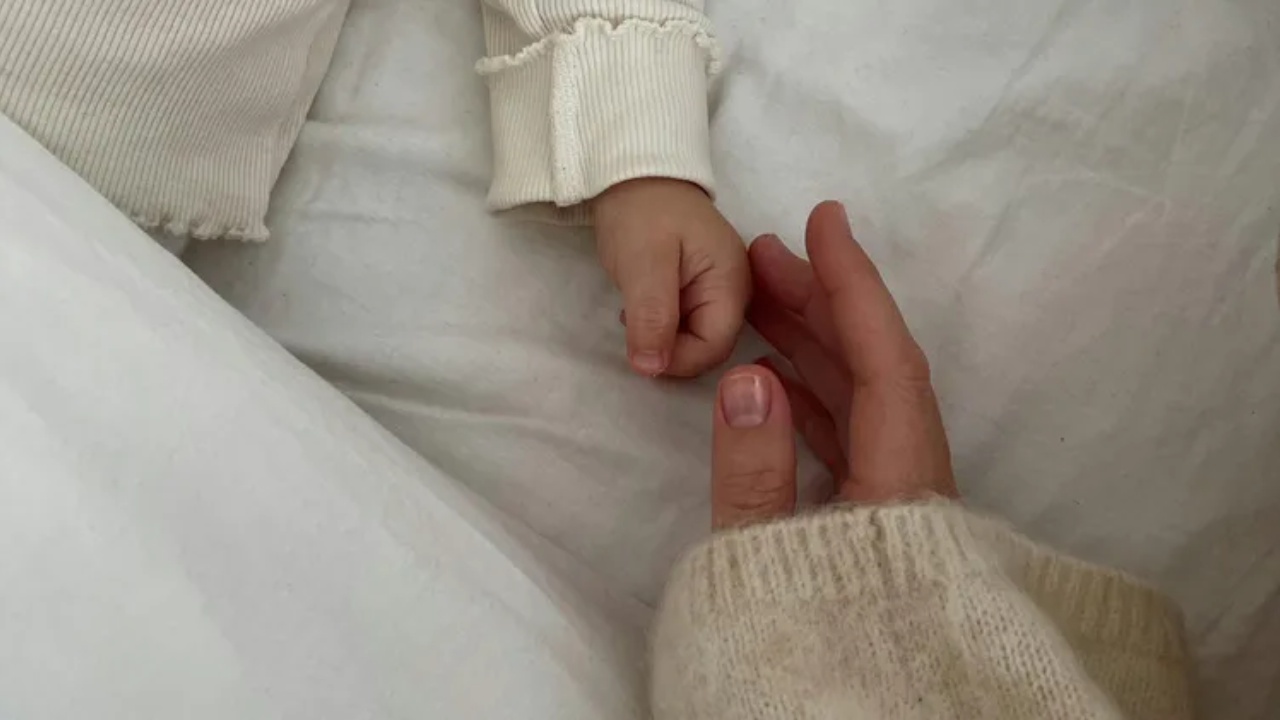
There is no such thing as a perfect parent. Every parent makes mistakes, loses patience, says the wrong thing, and wonders if they are doing enough. That is not failure – that is parenting. The question isn't whether you'll get it right every time. It's whether you're willing to keep growing alongside your child.
This is exactly the premise behind conscious parenting – a philosophy that's quietly reshaping how many families think about the parent-child relationship.
What is conscious parenting?
Conscious parenting is an approach popularised by clinical psychologist Dr. Shefali Tsabary, author of The Conscious Parent, who argues that traditional parenting models are fundamentally backwards. Most parenting advice focuses on managing, correcting, and shaping the child. Conscious parenting turns that lens around – and places the focus on the parent.
The idea is rooted in a blend of Eastern mindfulness philosophy and Western psychological self-reflection. Rather than asking "how do I fix my child?", conscious parenting asks "what is my child triggering in me – and what does that reveal about my own unresolved patterns?"
It's a significant shift. And an honest one.
At its core, conscious parenting is about becoming more self-aware so that you can show up for your child with more presence, less reactivity, and genuine curiosity about who they are – rather than who you need them to be. Children are seen as independent beings with their own identity, not extensions of their parents' expectations.
Why it matters – for you and for your child
The benefits of this approach are felt by both parent and child, and they go well beyond a calmer household.
For parents, the practice builds self-awareness, emotional regulation, and a deeper understanding of their own triggers and inherited patterns – many of which were shaped by their own upbringing. This kind of inner work doesn't just make you a more present parent. It tends to ripple out into every other relationship in your life.
For children, being raised in an environment of conscious parenting means growing up feeling genuinely seen and accepted for who they are. They develop a stronger sense of identity, greater emotional intelligence, and the capacity to form authentic connections with others. Research consistently shows that children who feel securely attached to their caregivers are better equipped to navigate stress, build relationships, and develop resilience throughout life.
And perhaps most importantly – the relationship itself becomes a place of genuine connection, rather than a dynamic driven by control, guilt, or performance.
Where do you begin?
This is where conscious parenting diverges from most parenting approaches: there is no manual to follow.
It is not a set of techniques or a behaviour chart. It's a mindset – a sustained commitment to being present, to pausing before reacting, and to asking yourself the harder questions when things feel difficult. It asks you to sit with discomfort rather than immediately trying to resolve it, and to listen to your child rather than direct them.
In practice, it often starts with small moments. Noticing the impulse to control and choosing curiosity instead. Recognising when you're reacting from your own fear or frustration rather than responding to what your child actually needs. Learning to stay regulated yourself, so your child has something steady to orient to.
None of this is linear. Some days will feel more conscious than others. But the willingness to keep returning to that intention – to parent from a place of awareness rather than autopilot – is itself the practice.
To help you take your first steps, we've put together three foundational things every parent can begin working on to bring more conscious presence into family life. These are available now inside the Ora Collective membership.