How to build a wellness routine that actually works for you
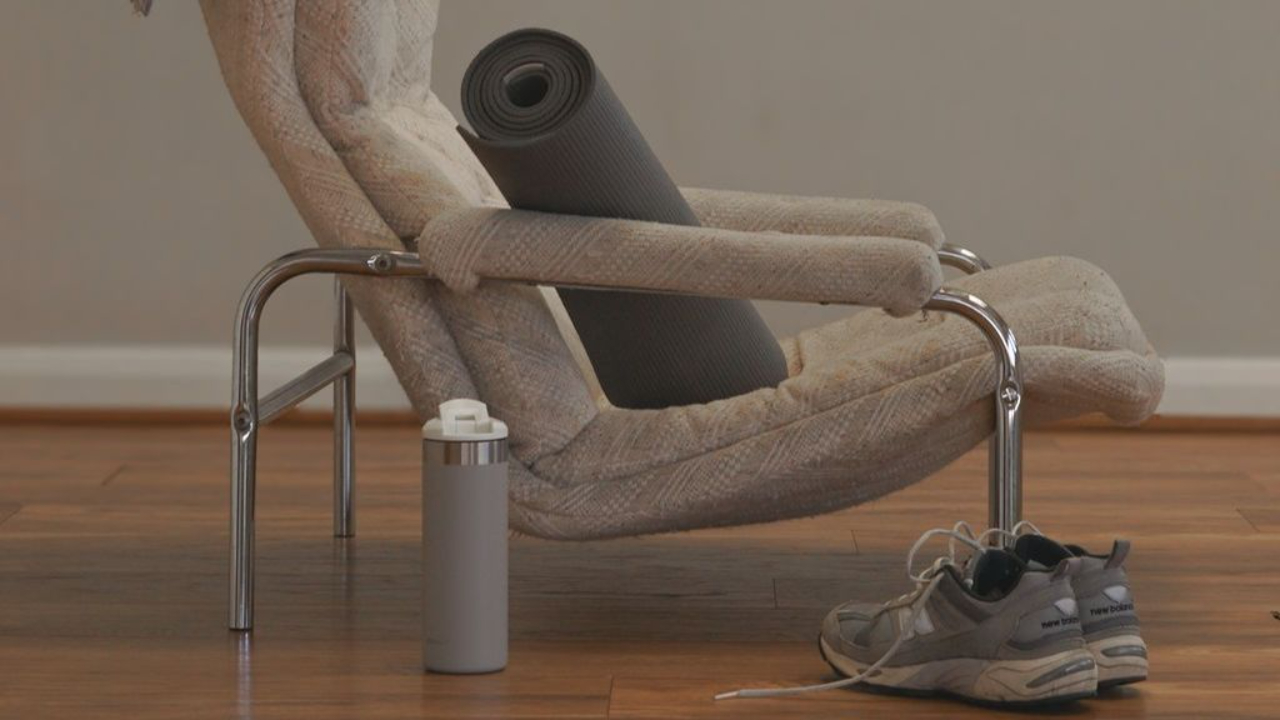
Wellness is not a destination you arrive at. It's something you return to, again and again, through the small choices you make each day.
The word "routine" can feel rigid – conjuring images of 5am alarms, green juices, and colour-coded planners. But a genuine wellness routine doesn't look like anyone else's. It looks like yours. And the only requirement is that it actually fits your life.
Why routines matter more than motivation
Motivation is unreliable. It peaks, dips, and disappears entirely on the days you need it most. A well-designed routine removes the need for motivation by making healthy choices the path of least resistance.
When you repeat the same small actions consistently – at the same time, in the same sequence – they gradually stop requiring conscious effort. What begins as a deliberate practice eventually becomes automatic. This is how habits form, and it's exactly how a wellness routine becomes something that sustains you rather than something you have to push yourself to maintain.
The cumulative effect is significant. A morning without your phone, a short walk after lunch, five minutes of breathwork before bed – none of these feel transformative in isolation. But practised consistently over weeks and months, they shift your baseline. Your stress response changes. Your sleep improves. Your relationship with your body becomes less adversarial.
What to include – and what to leave out
This is where most people go wrong: building a routine based on what looks good rather than what feels right.
A wellness routine should be made up of small rituals and habits that you can realistically do at certain points in your day, without requiring significant willpower or reorganising your life around them. If a habit feels like a burden from the start, it won't last.
Some things worth considering:
- Morning anchors – a short practice that sets the tone before the demands of the day begin. This could be journaling, a few minutes of stillness, movement, or simply making your bed and eating breakfast away from your phone. The specifics matter less than the consistency.
- Movement – it doesn't have to be a structured workout. A walk, a yoga session, dancing in your kitchen – what matters is that your body moves in a way that feels good rather than punishing.
- Nourishment – cooking at home more often, eating slowly, staying hydrated. Small, unglamorous, and genuinely effective.
- Wind-down rituals – the transition from the busyness of the day to rest is one of the most underrated aspects of a wellness routine. Dimming lights, putting devices away, reading, or a short body scan before sleep can meaningfully improve your sleep quality over time.
- Mental and emotional practices – meditation, breathwork, journaling, or simply a few minutes of reflection. These don't need to be long to be valuable.
What you leave out matters just as much. Habits that feel like performance – things you think you should be doing rather than things that genuinely serve you – will quietly drain your energy rather than restore it. A wellness routine is not a productivity schedule. It's a practice of coming back to yourself.
A note on consistency vs. perfection
Your routine will not look the same every day. Life intervenes. You'll travel, get ill, have a difficult week, skip the morning practice, eat the thing, miss the workout. This is normal and expected – it is not failure.
The goal is not an unbroken streak. It's a general orientation toward your own wellbeing that you keep returning to, even after you've stepped away from it. The return itself is the practice.
Start small. One or two anchors, morning and evening. Build from there as each habit becomes settled. Give yourself at least 30 days before evaluating whether something is working – real change in how you feel tends to be slower and quieter than we expect.
Ready to build yours?
Inside the Ora Collective membership, we've put together a practical guide to getting started – including five concrete steps and a curated list of healthy habits to try across different areas of your wellbeing.